


Professional Physical Planning Services in Kenya by Ler Consult Ltd.
Introduction to Our Physical Planning Expertise.
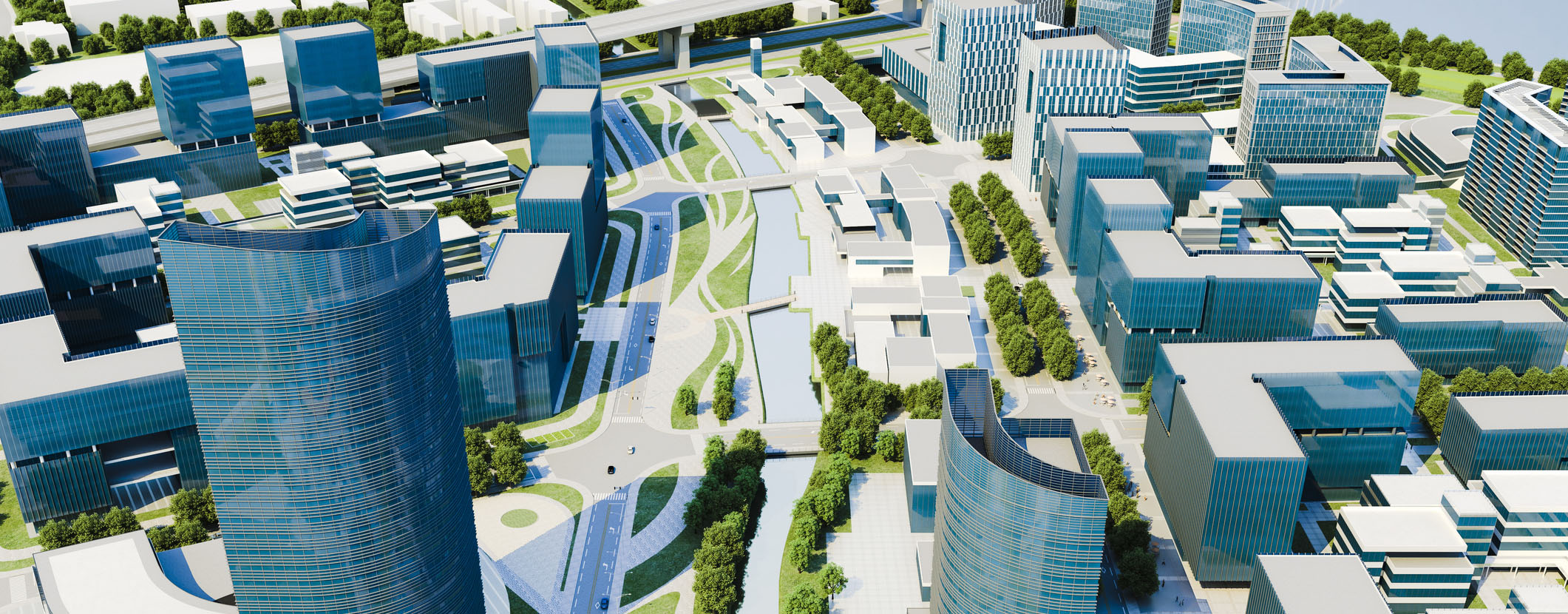
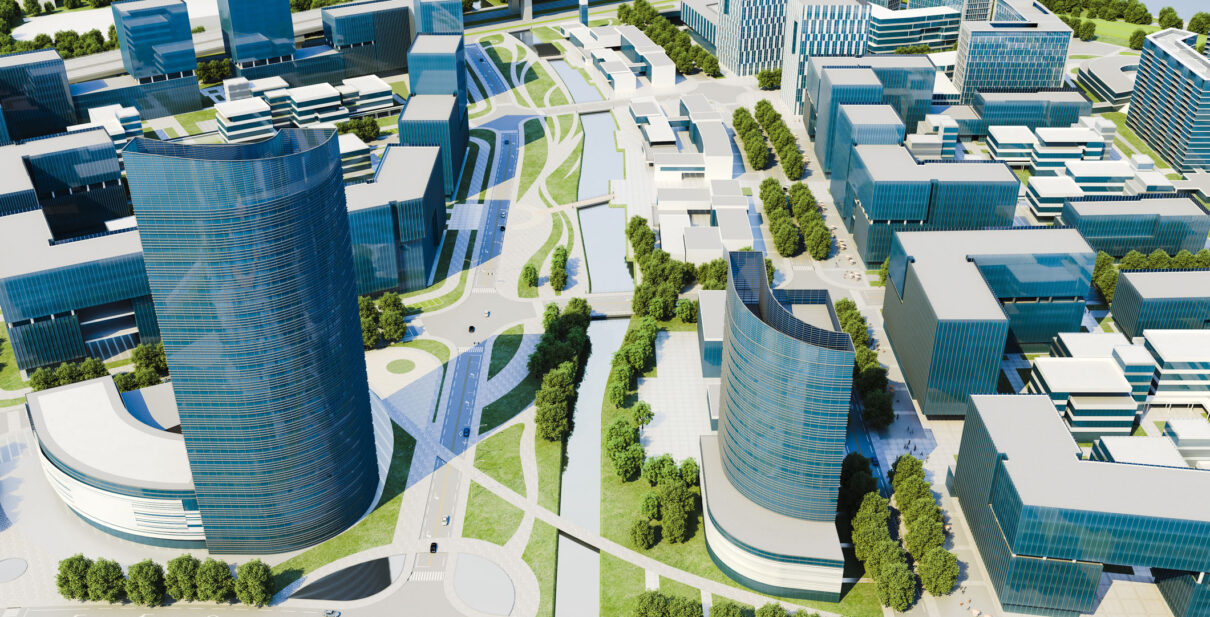
Professional Physical Planning. At Ler Consult Ltd., we recognize that thoughtful physical planning forms the foundation for Kenya’s sustainable development. As licensed physical planners registered with the Physical Planners Registration Board (PPRB), we bridge the gap between regulatory requirements and development aspirations. Our services transform raw land into optimally utilized spaces that balance economic, social, and environmental considerations. With Kenya’s urban population growing at 4.4% annually and competing land uses intensifying, our professional planning services ensure orderly development that complies with the Physical and Land Use Planning Act (2019) while maximizing land potential.
Core Physical Planning Services We Offer.
1. Development Plan Preparation.
We develop comprehensive spatial frameworks that guide growth at various scales. Our plans translate national and county policies into actionable spatial strategies, addressing unique local contexts while ensuring regional coherence. From county-wide spatial plans to detailed local area plans, we create legally-adoptable documents that withstand technical scrutiny and public participation requirements.
2. Subdivision and Land Consolidation.
Our subdivision services convert raw land into legally compliant, market-ready parcels. We optimize plot layouts considering access, services, terrain, and future expansion needs. For land consolidation, we design schemes that rationalize fragmented holdings into economically viable units, applying provisions of the Land Act (2012) to create win-win solutions for multiple landowners.
3. Development Control and Management.
We navigate the complex approval processes across county governments and national agencies. Our team ensures developments meet zoning regulations, building codes, and environmental standards. We serve as the crucial link between developers and planning authorities, streamlining approvals while safeguarding project viability and community interests.
4. Environmental Planning.
Integrating ecological considerations into development plans, we conduct thorough site analyses to identify sensitive areas, recommend mitigation measures, and design climate-responsive layouts. Our EIAs go beyond compliance to create developments that enhance rather than degrade their natural settings, particularly important in Kenya’s water catchment areas and biodiversity hotspots.
5. Urban Regeneration Services.
We breathe new life into declining urban areas through comprehensive renewal strategies. Our approach balances heritage preservation with modern functionality, addressing infrastructure deficits, tenure regularization, and economic revitalization – critical for Kenya’s rapidly transforming urban centers.
Why Choose Ler Consult for Your Physical Planning Needs?
1. Regulatory Compliance Assurance.
We maintain an up-to-date understanding of Kenya’s evolving planning legislation, including county-specific regulations. Our plans undergo rigorous quality checks to meet all statutory requirements, minimizing approval delays and legal challenges that often derail projects.
2. Technology-Driven Solutions.
We employ advanced geospatial technologies including GIS analysis, 3D modeling, and drone surveys to create precise, data-informed plans. Our digital tools enable scenario testing, visualization for stakeholders, and seamless integration with cadastral systems.
3. Multi-Sector Experience.
With completed projects across residential, commercial, industrial and agricultural sectors, we bring cross-sector insights that enrich each new assignment. Our portfolio demonstrates adaptability to diverse project requirements and Kenyan geographies.
4. End-to-End Service Delivery.
We accompany clients through the entire planning lifecycle – from initial feasibility studies through to implementation support. Our holistic approach ensures no critical aspects are overlooked between plan conception and realization.
Our Professional Physical Planning. Process.
-
Site Assessment.
We conduct comprehensive due diligence including physical surveys, infrastructure audits, and regulatory reviews to establish baseline conditions and constraints. -
Stakeholder Engagement.
Using participatory methodologies, we identify and incorporate the needs of all affected parties – from landowners to utility providers – creating plans with broad-based support. -
Concept Development.
We generate multiple design alternatives, evaluating each against technical, economic and social criteria to identify the optimal solution. -
Plan Preparation.
Our technical team produces detailed, implementation-ready documents including all required supporting studies and visualizations. -
Submission and Approval.
We manage the entire approval process, addressing queries from authorities and facilitating necessary revisions for timely approvals. -
Implementation Support.
We provide ongoing advisory during construction to ensure faithful execution of approved plans and address any emerging challenges.
Recent Projects Showcase.
-
Nakuru County Integrated Urban Development Plan
Developed a 10-year spatial framework guiding the county’s urbanization, including special provisions for geothermal resource areas and agricultural zones. -
Kiambu High-Density Residential Subdivision
Designed an innovative medium-density layout that doubled typical occupancy while maintaining quality living standards and open spaces. -
Mombasa Waterfront Regeneration Strategy
Created a tourism-oriented redevelopment plan balancing heritage conservation with modern infrastructure needs along the historic shoreline. -
Kisumu Industrial Park Master Plan
Planned a 500-acre industrial zone with integrated logistics, worker housing, and environmental safeguards for Lake Victoria’s catchment.
Partner With Kenya’s Leading Physical Planners.
In Kenya’s dynamic development landscape, professional physical planning is the difference between successful, sustainable projects and costly failures. Whether you’re a private developer seeking approvals, a county government formulating spatial plans, or an institution planning major facilities, our services add measurable value by:
✔ Ensuring regulatory compliance – Navigating complex approval processes efficiently.
✔ Maximizing land utilization – Creating optimal layouts that enhance property value.
✔ Enhancing project viability – Balancing development goals with practical constraints.
✔ Reducing approval timelines – Avoiding common pitfalls that delay projects.
✔ Creating sustainable developments – Future-proofing investments through thoughtful design.
Urban and Regional Planning Trends in Kenya: 2025 Snapshot.
Kenya’s urban and regional planning landscape is undergoing significant transformations in 2025, driven by rapid urbanization, technological advancements, and a growing emphasis on sustainability. Here’s an overview of the key trends shaping the country’s urban development:
1. Rise of Mixed-Use Developments.
Cities like Nairobi and Mombasa are witnessing a surge in mixed-use developments that integrate residential, commercial, and retail spaces. Projects such as Garden City, Two Rivers, and Business Bay Square (BBS) Mall are redefining urban living by offering convenience and promoting walkable communities. These developments cater to the evolving lifestyle preferences of urban dwellers seeking integrated live-work-play environments. ozoneland.co.ke+4The Star+4Sharp Daily+4ozoneland.co.ke
2. Smart Cities and Technological Integration.
Kenya is embracing smart city initiatives to enhance urban efficiency and sustainability. Konza Technopolis stands out as a flagship project, incorporating intelligent transport systems, smart mobility plans, and digital infrastructure. Collaborations with international partners, notably South Korea, are accelerating the development of such tech-driven urban centers. Wikipedia.
3. Affordable Housing Initiatives.
Addressing the housing deficit remains a priority. The government’s Affordable Housing Act of 2024 aims to deliver 250,000 housing units annually, targeting low- and middle-income earners. This initiative not only seeks to provide decent housing but also stimulates job creation and economic growth. Whales Engineering+2BuyRentKenya+2ozoneland.co.ke+2ozoneland.co.ke+1BuyRentKenya+1
4. Sustainable and Green Building Practices.
There’s a growing emphasis on sustainability in urban planning. Developers are increasingly adopting green building technologies, including energy-efficient designs, solar installations, and rainwater harvesting systems. Such practices not only reduce environmental impact but also appeal to environmentally conscious consumers. BuyRentKenya.
5. Challenges in Urban Planning Implementation.
Despite these advancements, challenges persist. Many counties lack updated urban plans, leading to issues like unregulated construction and environmental degradation. As of 2024, only 32% of counties have approved County Spatial Plans, highlighting the need for enhanced planning and resource allocation at the county level. Standard Media.
6. Community-Led Urban Solutions.
Grassroots initiatives are playing a pivotal role in urban development. In Nairobi’s Mathare slum, former gang members have transformed a garbage dump into a hydroponic farm, addressing food insecurity and providing employment opportunities. Such community-driven projects underscore the potential of local solutions in addressing urban challenges. AP News.
Kenya’s urban and regional planning is at a crossroads, balancing rapid urbanization with the need for sustainable and inclusive development. While significant strides have been made, concerted efforts from both governmental and community stakeholders are essential to navigate the complexities of urban growth and ensure a resilient urban future.